
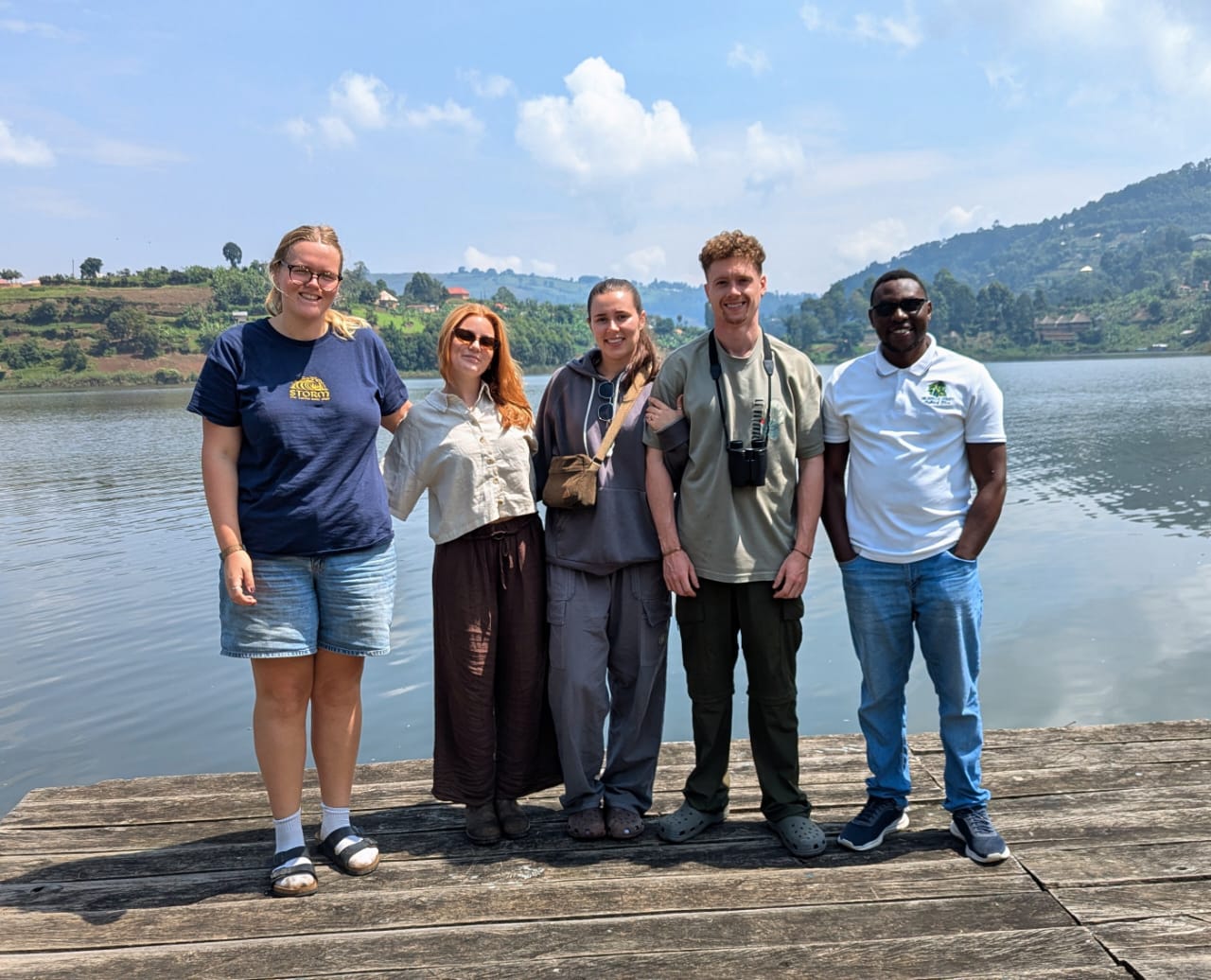
Lake Bunyonyi National Park
Lake Mburo and Lake Bunyonyi showcase Uganda’s captivating beauty, combining rolling savannahs, abundant wildlife, tranquil waters, terraced hills, scenic islands, and authentic cultural experiences.
Wilderness Overview
Lake Bunyonyi Ecosystem – Comprehensive Narrative Lake Bunyonyi is a remarkable high-altitude freshwater ecosystem in southwestern Uganda, lying within the Kigezi Highlands between Kabale and Rubanda districts. The lake sits at roughly 1,970 metres above sea level and covers about 56–61 square kilometres, surrounded by steep, intensively cultivated hills, wetlands and a network of small islands. Its landscape was created when volcanic activity blocked a steep-sided valley thousands of years ago, producing the distinctive lake-and-hills ecosystem visible today. A Highland Lake Surrounded by Terraced Hills One of the defining features of the Lake Bunyonyi ecosystem is the dramatic relationship between water, mountains, agriculture and wetlands. The lake is enclosed by steep Kigezi hills, many of which have been transformed into carefully cultivated terraces. These terraces support crops such as Irish potatoes, sweet potatoes, beans, sorghum and vegetables, making the surrounding landscape an important agricultural system as well as a scenic destination. The hills form the lake's wider catchment, collecting rainfall and directing runoff towards streams, wetlands and ultimately the lake. This creates an interconnected ecological system in which the health of the upland farms, forests, wetlands and shoreline directly influences water quality and aquatic life. Islands, Shoreline and Wetland Habitats Lake Bunyonyi is famous for its numerous islands, traditionally counted at around 29, ranging from inhabited agricultural islands to smaller, vegetation-covered islets. Together with the deeply indented shoreline, these islands create sheltered bays and narrow channels that provide a variety of habitats for birds, amphibians, insects and aquatic organisms. Around the lake are extensive papyrus and other wetland communities, particularly in sheltered bays and associated wetlands. Historical ecological research documented papyrus (Cyperus papyrus) and other wetland vegetation in shallow areas, while conservation assessments have identified the wider Bunyonyi wetland system as an important biodiversity landscape. These wetlands perform vital ecological functions: they help regulate water movement, trap sediments, provide wildlife habitat and store carbon. Peat-rich wetland areas in the wider Bunyonyi system are particularly important because wetlands can act as significant long-term carbon stores. Birdlife and Wildlife Lake Bunyonyi and its surrounding wetlands support a diverse bird community, making the area particularly valuable for birdwatching and nature tourism. Conservation surveys have recorded globally threatened and wetland-associated species including the Grey Crowned Crane and Papyrus Yellow Warbler, alongside numerous other wetland birds. The surrounding wetlands also provide habitat for Sitatunga, a specialised swamp antelope adapted to wetland environments, as well as amphibians and other small animals. Conservation assessments have recorded Xenopus clawed frogs within wetlands around the lake, demonstrating the ecological importance of the interconnected aquatic and marsh habitats. The lake itself supports aquatic organisms adapted to its unusual highland conditions. Native biodiversity includes clawed frogs, African clawless otters, spotted-necked otters and several species of freshwater shrimp, while fish and crayfish have also been introduced over time. Aquatic Ecology Lake Bunyonyi has distinctive physical and chemical characteristics that influence its aquatic ecosystem. The water column can become strongly stratified, meaning that different layers of water have different temperatures, oxygen concentrations and chemical conditions. This influences where aquatic organisms can survive and contributes to the lake's unusual ecological character. Scientific research has also identified increasing eutrophication, associated with nutrient inputs from agricultural runoff, wastewater and other human activities. Excess nutrients can stimulate biological productivity and contribute to lower oxygen levels, making careful management of the catchment essential for maintaining the lake's ecological health. Forests and the Wider Ecosystem Lake Bunyonyi does not exist as an isolated body of water; it forms part of a broader highland ecological network that includes surrounding forests and wetlands. The wider landscape is connected to important habitats such as Echuya Central Forest Reserve, Bwindi Impenetrable Forest and Mgahinga Gorilla National Park. These forests help maintain regional biodiversity, influence rainfall and runoff, and provide habitat corridors for wildlife. The relationship between forested uplands and the lake is especially important. Vegetation helps stabilise soils and reduce erosion, while forest and wetland ecosystems contribute to regulating water flow. Loss of vegetation on steep slopes can increase sediment entering the lake, affecting water clarity, aquatic habitats and overall ecosystem health. People and the Lake Ecosystem Lake Bunyonyi is also a human-dominated cultural landscape. Farming, fishing, aquaculture, tourism and other activities around the lake provide livelihoods for local communities. Wetlands supply materials for activities such as thatching and handicraft production, while the lake itself provides water and supports small-scale economic activities. This close relationship between people and nature means that conservation cannot focus solely on the lake. Sustainable agriculture, responsible tourism, wetland protection, proper waste management and erosion control are all essential components of protecting the wider Bunyonyi ecosystem. Conservation Challenges The ecosystem faces increasing pressure from agricultural expansion, soil erosion, wetland conversion, wastewater, tourism development, population growth and climate-related changes. Recent research indicates that agricultural land has expanded within the catchment while forests, grasslands and wetlands have declined, increasing pressure on the natural systems that protect the lake. Agricultural runoff can carry soil and nutrients into the lake, while poorly managed wastewater from settlements, hotels and campsites can further affect water quality. Research has linked these pressures to increasing turbidity and eutrophic conditions, highlighting the importance of managing the entire drainage catchment rather than focusing only on the lake itself. Conservation and Sustainable Tourism Protecting Lake Bunyonyi requires a whole-landscape conservation approach. Community conservation initiatives have focused on sustainable farming, wetland protection, improved livelihoods and the safeguarding of threatened species. NatureUganda has worked with communities around the interconnected Bunyonyi wetland system to strengthen conservation agreements and promote sustainable use of natural resources. For tourism, activities such as canoeing, boat excursions, birdwatching, guided nature walks, island visits and cultural experiences provide opportunities to appreciate the ecosystem while generating income for local communities. Responsible tourism can therefore become an important incentive for maintaining the lake, wetlands and surrounding landscapes. Overall Ecosystem Character Lake Bunyonyi is best understood as a complex highland ecosystem where freshwater, wetlands, islands, forests, cultivated hills and human communities interact continuously. Its ecological value extends far beyond the beautiful lake itself: papyrus wetlands provide wildlife habitat and carbon storage, surrounding hills support agriculture, forests influence the regional water cycle, and the lake provides habitat for specialised aquatic species. For visitors, this creates much more than a scenic lakeside destination—the Lake Bunyonyi ecosystem is a living mosaic of water, mountains, wetlands, wildlife and community life, making it one of southwestern Uganda's most distinctive natural landscapes and an important complement to the forests of Bwindi and Mgahinga.
Sanctuary Details
Sanctuary Accommodations
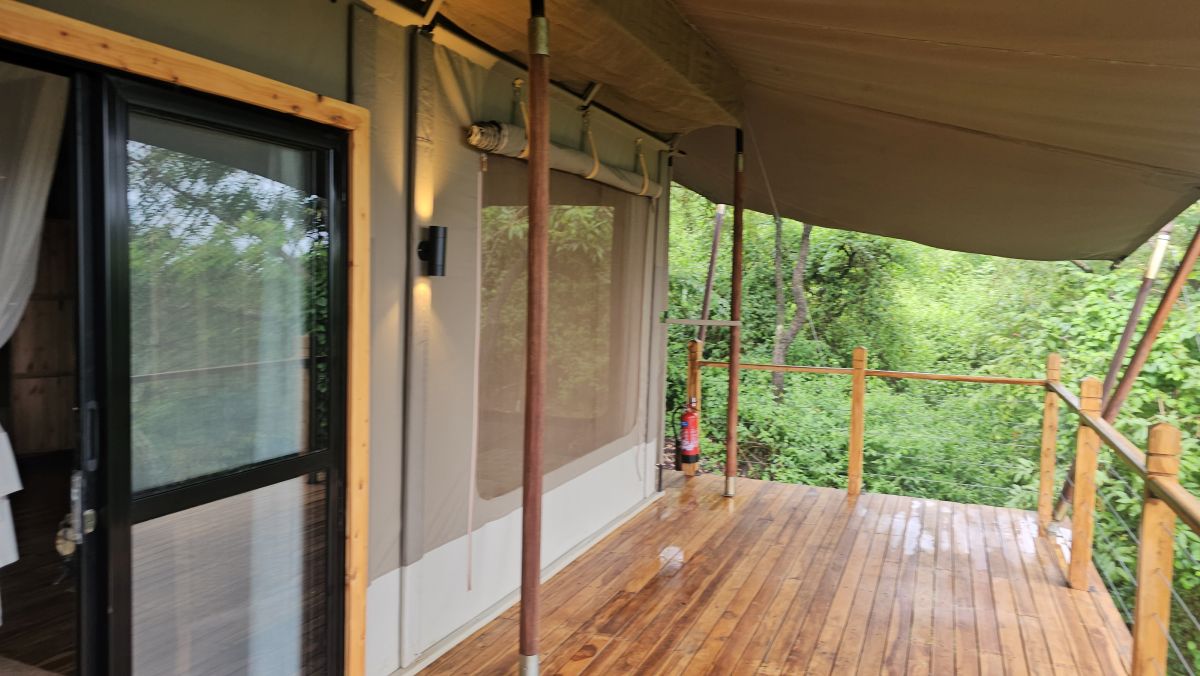
Lake Bunyonyi Eco Resort
Lake Bunyonyi Eco Resort – Full Description & Atmosphere Lake Bunyonyi Eco Resort is a scenic lakeside retreat situated on Kyahugye Island, overlooking the tranquil waters and rolling highlands of southwestern Uganda. Perched on a tree-covered ridge above Lake Bunyonyi, the resort offers panoramic views across the lake, surrounding islands and nearby communities, creating an ideal stopover for travellers exploring Bwindi Impenetrable National Park, Kabale and southwestern Uganda. The resort has a distinctive eco-conscious African character, with approximately ten individually positioned cottages designed to maximise privacy and views. Traditional thatched roofs, wooden finishes, woven bamboo details and large windows give the accommodation a natural sense of place, while private balconies provide peaceful spaces for enjoying the scenery. The property also features a Bunyonyi Suite and Deluxe rooms for guests seeking additional comfort. Accommodation & Dining The cottages are designed to provide a comfortable retreat while keeping guests closely connected to the surrounding landscape. Room facilities include Wi-Fi, intercom services, room service, ceiling fans and laundry services, while selected accommodation provides spacious balconies overlooking the lake and surrounding countryside. Dining is an important part of the Lake Bunyonyi experience. The resort's open-air restaurant provides expansive views of the lake while serving a combination of Ugandan and international cuisine. Guests can enjoy freshly prepared meals in a relaxed setting, while the open-air bar offers local and international beverages—a pleasant place to unwind and exchange stories after a day of exploring. For travellers looking for activities, the resort provides opportunities for boat and canoe excursions, nature walks and island exploration, while its lakeside setting makes it particularly attractive for couples, families and safari travellers seeking a peaceful break between destinations. Atmosphere The atmosphere at Lake Bunyonyi Eco Resort is tranquil, scenic, intimate and naturally immersive. Rather than feeling like a conventional city hotel, the property is surrounded by water, hills, vegetation and the distinctive landscapes of the Kigezi highlands. The sounds of birds and gentle movement of the lake create a soothing environment where guests can slow down after a busy safari itinerary. Mornings are particularly peaceful, with soft light spreading across the lake and its islands as guests enjoy breakfast overlooking the water. During the afternoon, guests can take a canoe ride, explore the surrounding area or simply relax on a private balcony while appreciating the ever-changing landscape. As evening approaches, the lake becomes especially atmospheric, with golden sunsets reflected across the water and distant hills creating an ideal setting for a relaxed drink or dinner. The combination of traditional architecture, natural scenery, open-air dining and warm hospitality gives the resort a distinctly Ugandan lakeside character. Ideal for a Uganda Safari For safari itineraries, Lake Bunyonyi Eco Resort works particularly well as a relaxing transition between Bwindi and other destinations in southwestern Uganda. After the physical demands of gorilla trekking, the calm waters, cool highland climate and scenic surroundings provide a welcome change of pace. Overall, Lake Bunyonyi Eco Resort combines comfortable accommodation, traditional design and spectacular lake scenery with a peaceful eco-retreat atmosphere, making it an appealing choice for travellers seeking relaxation, nature and authentic Ugandan hospitality.
Expeditions Journeying Through Lake Bunyonyi National Park
3 Day Primate in the Mist
Designed for wildlife enthusiasts, this expedition centers around the world's finest primate encounters, moving between the rainforests of Kibale and the volcanic ridges of Bwindi.
7-Day Rwanda Heritage & Gorilla Adventure
Embark on an unforgettable Rwandan immersion from the vibrant boulevards and memorial heritage of Kigali to the primeval canopy of Nyungwe Forest and the misty volcanic slopes of Volcanoes National Park. Experience thrilling mountain gorilla tracking, golden monkey encounters, royal palace cultural heritage, and luxury lodge hospitality.
9-Day Mount Kenya & Samburu Wilderness Safari
Traverse the finest wildlife frontiers of Kenya on this 9-day luxury safari. Begin with scenic highland views beneath Mount Kenya, journey north to the rugged wilderness of Samburu to encounter the rare Special Five, and culminate on the sweeping golden plains of the Masai Mara for world-class big cat tracking and safari game drives.
The Pearl Signature Expedition
Spanning 10 magnificent days, this signature journey combines private bush flights, habituated mountain gorilla encounters in Bwindi, chimpanzee habituation in Kibale, and private boat cruises along the Kazinga Channel.
14 DAYS magic of UGANDA Safari
Embark on a spectacular 14-day journey through Uganda, the Pearl of Africa, exploring its diverse landscapes, rich cultures and extraordinary wildlife. From the shores of Lake Victoria and the powerful Nile to the savannahs of Murchison Falls and Queen Elizabeth National Parks, continue into the ancient forests of Kibale and Bwindi for unforgettable chimpanzee and gorilla encounters. Cruise the Kazinga Channel, discover crater lakes and mountain scenery, meet local communities, and experience Uganda's remarkable wilderness at an unhurried pace—creating a safari filled with adventure, connection and lasting memories.
7 days Great Migration Safari
Experience the magic of Tanzania on this 7-day Great Migration Safari, combining the wildlife-rich Ngorongoro Crater with the spectacular plains of Ndutu and Central Serengeti. Witness vast wildebeest herds, newborn calves, prowling predators and breathtaking savannah sunsets while enjoying exciting game drives, comfortable safari camps and unforgettable moments in Africa’s wilderness.
Journey Into Lake Bunyonyi National Park
Our safari specialists craft seamless private journeys combining Lake Bunyonyi National Park with East Africa's most breathtaking wild landscapes.
Design Your Expedition