Rwanda wilderness landscape
East Africa Wilderness · Rwanda

National Parks & Sanctuaries of Rwanda

The Land of a Thousand Hills, celebrated for luxury gorilla trekking in Volcanoes National Park.

About This Wilderness Realm

Rwanda blends dramatic volcanic topography with world-class conservation and ultra-luxury hospitality. Explore golden monkey habitats, track gorilla silverbacks, and experience vibrant cultural heritage.

Protected Sanctuaries in Rwanda

Showing 4 National Parks & Ecosystems

Exclusive private guiding & bush flights available
Nyungwe Forest National Park
Southern Province

Nyungwe Forest National Park

One of Africa's oldest rainforests, celebrated for 13 primate species, suspension canopy walkways, and vibrant tea estates.

Covering over 1,000 square kilometers of ancient montane rainforest, Nyungwe Forest protects habituated chimpanzee troops, 300+ bird species, and Africa's iconic high-suspension canopy walkway hovering 70 meters above the forest floor.

Volcanoes National Park
Northern Province

Volcanoes National Park

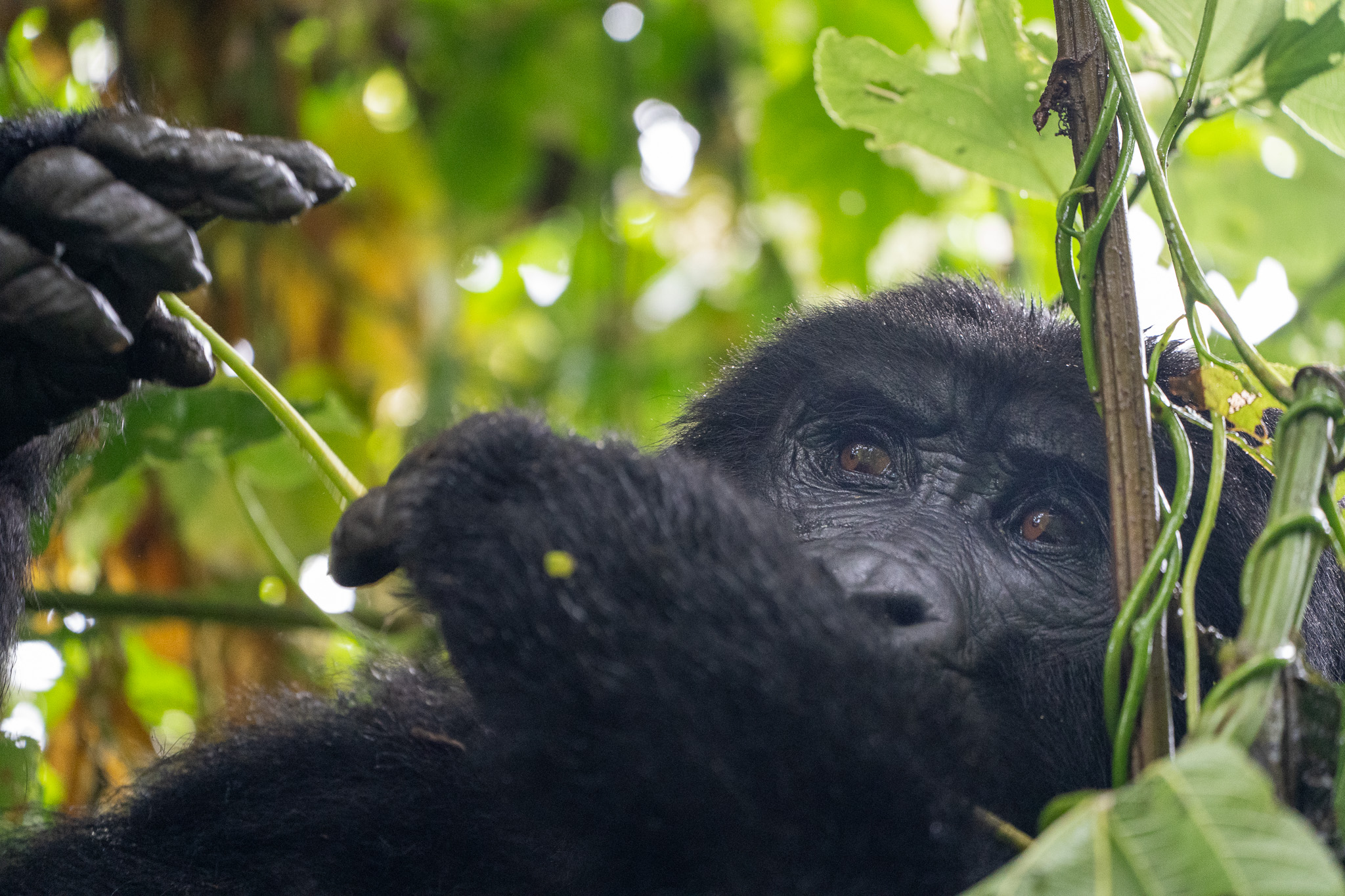
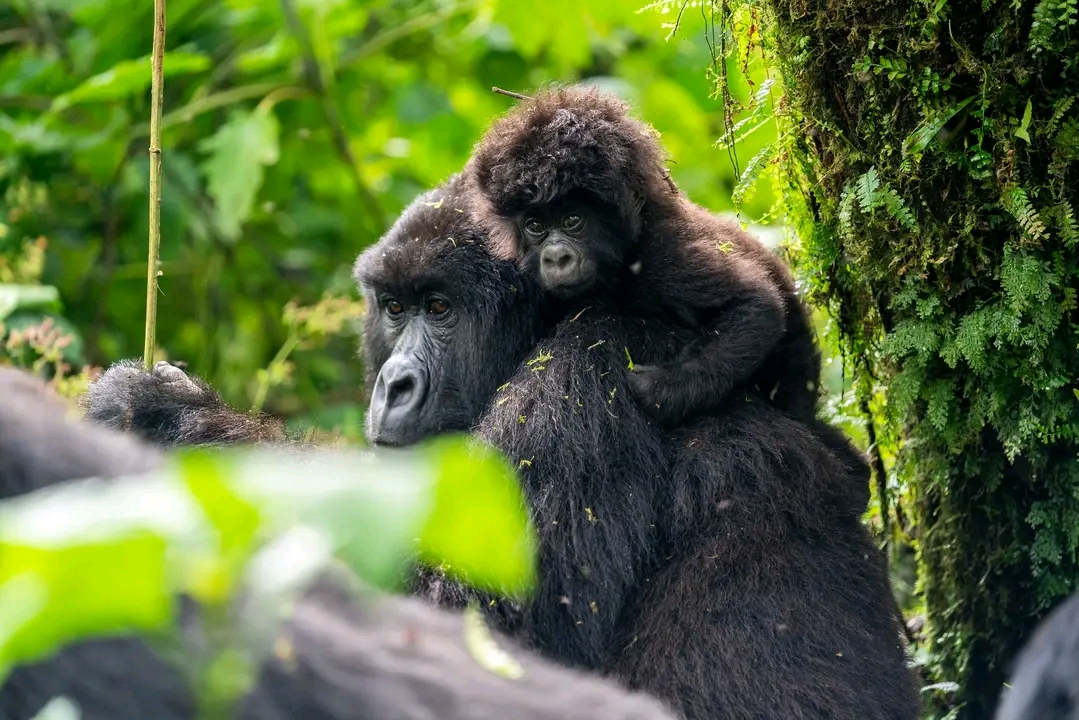
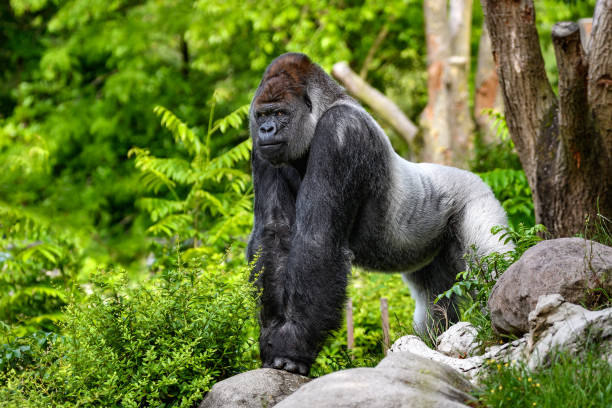
Rwanda's world-famous volcanic sanctuary, home to endangered mountain gorillas and rare golden monkeys across the Virunga Massif.

Spanning five dramatic dormant volcanoes—Karisimbi, Bisoke, Muhabura, Gahinga, and Sabyinyo—Volcanoes National Park in northwestern Rwanda offers world-class primate conservation, luxury eco-lodges, and historic research trails pioneered by Dian Fossey.

Akagera National Park
Eastern

Akagera National Park

Akagera National Park is Rwanda’s breathtaking savannah wilderness, where rolling plains, shimmering lakes and lush wetlands shelter the Big Five, abundant birdlife and unforgettable wildlife encounters.

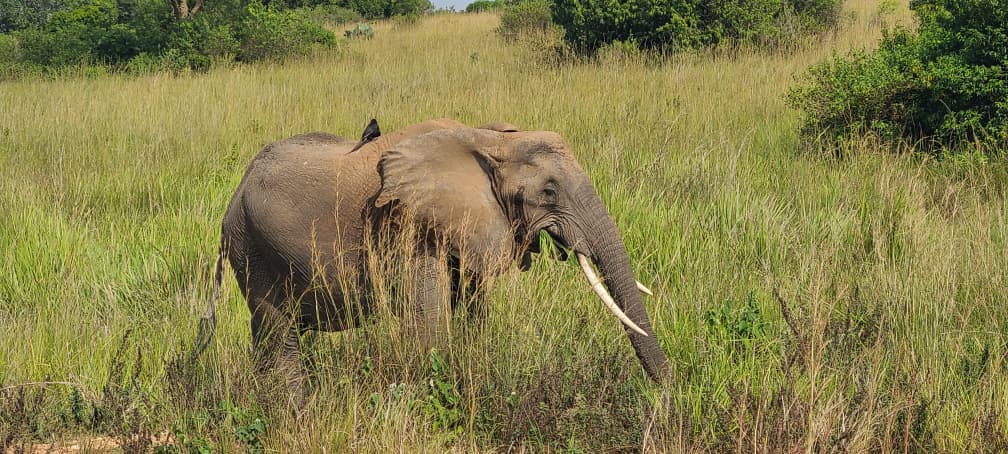
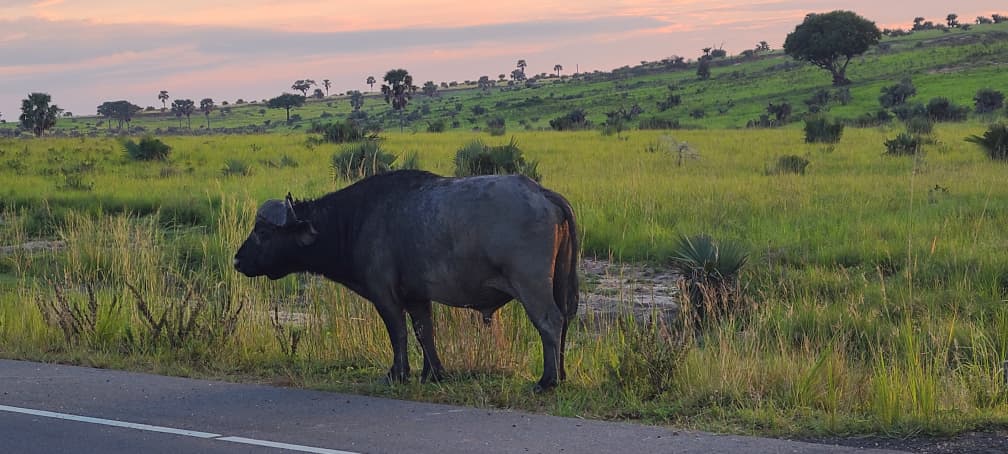
Akagera National Park is a remarkable mosaic of savannah, woodland, wetlands, lakes and rolling hills in eastern Rwanda, forming one of the country’s most diverse and ecologically important protected landscapes. Stretching along the Tanzanian border, the park is shaped by the Akagera River and an interconnected system of lakes and wetlands that support an exceptional variety of wildlife, birds and aquatic life. Savannah Ecosystem The park’s extensive savannah plains provide the foundation for its large-mammal ecosystem. Open grasslands are interspersed with scattered trees and shrubs, creating ideal grazing grounds for zebra, giraffe, impala, topi, buffalo and antelope. Seasonal changes in rainfall influence the availability of grasses and water, causing wildlife to move between feeding areas, woodland and permanent water sources. Predators such as lions, leopards and spotted hyenas occupy higher levels of the food chain, regulating herbivore populations and contributing to the natural balance of the ecosystem. African wild dogs have also been reintroduced to the park, adding another important predator to Akagera's recovering wildlife community. Woodland and Bushland Beyond the open plains, Akagera contains extensive areas of woodland and dense bush. Acacia and other drought-tolerant trees provide shade, browse and nesting sites while creating habitat for elephants, giraffes, monkeys, birds and numerous smaller animals. These wooded areas are particularly important during the dry season when vegetation and shade become valuable resources. Elephants influence the structure of the landscape through browsing, pushing over trees and opening pathways through dense vegetation, creating a continually changing relationship between woodland and grassland. Wetlands and Lakes Water is at the heart of Akagera's ecosystem. The park contains a chain of lakes and extensive papyrus wetlands connected by the Akagera River and smaller waterways. Lake Ihema, one of the park's best-known lakes, is surrounded by extensive wetland habitat and supports large populations of hippos, crocodiles and waterbirds. The wetlands act as natural water reservoirs, helping regulate water flow, trap sediments and provide breeding and feeding grounds for aquatic species. Papyrus and other wetland vegetation create shelter for fish, amphibians, insects and birds while providing important ecological connections between different parts of the park. Riverine Ecosystem The Akagera River forms a vital ecological corridor along the eastern edge of the protected area. Its permanent water supply supports wildlife throughout the year, particularly during dry periods when seasonal water sources become scarce. Riverine vegetation provides habitat for birds, reptiles and mammals while the river itself supports fish and other aquatic organisms. The interaction between the river, wetlands and lakes creates one of the most productive ecological systems within Akagera. Wildlife and Food Web Akagera's ecosystem supports a remarkable variety of herbivores, predators and smaller wildlife. Large grazers such as buffalo and zebra depend primarily on grasslands, while giraffes browse trees and shrubs and elephants consume a broad range of vegetation. Antelope species occupy different ecological niches, reducing direct competition for food. Predators—including lions, leopards and hyenas—depend on these herbivore populations, while scavengers and decomposers recycle nutrients from animal remains back into the ecosystem. This interconnected food web allows Akagera to function as a dynamic natural system in which vegetation, herbivores, predators, water and soil continuously influence one another. Birdlife Akagera is particularly important for bird conservation and is one of Rwanda's premier birdwatching destinations. Its combination of wetlands, lakes, savannah, woodland and riverine habitats creates opportunities to encounter both resident and migratory species. Wetlands support African fish eagles, herons, egrets, kingfishers, cormorants, storks and ibises, while woodland and grassland habitats provide shelter for numerous raptors, seed-eating birds and insectivorous species. The park is also associated with the papyrus gonolek, a striking wetland specialist, and the rare shoebill, which can occasionally be encountered in suitable swamp habitats. Aquatic Ecosystem Akagera's lakes and rivers support a diverse aquatic community of fish, hippos, crocodiles, amphibians, insects and aquatic plants. Hippos contribute to nutrient cycling by transferring nutrients between terrestrial grazing areas and aquatic environments, while crocodiles occupy an important predatory role within the water system. The lakes also provide essential drinking and feeding sites for terrestrial animals, making the aquatic environment closely connected to the surrounding savannah. Soil, Vegetation and Nutrient Cycling Akagera's ecosystem depends on continuous nutrient exchange between vegetation, wildlife, water and soil. Herbivores consume grasses and browse, predators transfer nutrients through kills, and decomposers break down organic matter. Seasonal rainfall stimulates vegetation growth, while the dry season concentrates wildlife around remaining water and grazing areas. This seasonal rhythm shapes animal behaviour and creates some of the park's most rewarding wildlife-viewing opportunities. Conservation and Ecological Restoration Akagera represents an important conservation success story. Following severe declines in wildlife and habitat during Rwanda's periods of conflict and land-use pressure, extensive conservation and restoration efforts have helped rebuild the park's ecological integrity. Management and conservation programmes have supported the recovery of large mammals, strengthened protection against poaching, restored key habitats and facilitated wildlife reintroductions. The return of lions, black rhinoceros and African wild dogs, alongside the recovery of other wildlife populations, has helped restore Akagera as a functioning large-mammal ecosystem. Communities and the Wider Landscape Akagera does not exist in isolation. Communities living around the park are closely connected to its natural resources and conservation success. Tourism provides employment and income while conservation initiatives can support education, livelihoods and community development. The relationship between the park and surrounding communities is therefore an important part of long-term ecosystem protection. Responsible tourism helps create economic incentives for maintaining wildlife habitat and protecting the park's natural resources. Safari Experience Within the Ecosystem Akagera's ecological diversity makes it particularly rewarding to explore by game drive, boat safari and birdwatching excursion. A morning drive across the savannah may reveal zebra, giraffe, buffalo and antelope, while a boat journey on Lake Ihema offers a completely different perspective, with hippos, crocodiles and waterbirds dominating the shoreline. The contrast between open plains, woodland, wetlands and shimmering lakes gives Akagera a distinctive character compared with Rwanda's rainforest and mountain ecosystems. Overall Ecosystem Character Akagera National Park is best understood as a living mosaic of savannah, woodland, wetlands, lakes, rivers and human communities, where each habitat supports the others. Its recovering wildlife populations, rich birdlife, extensive water systems and successful conservation programmes make it one of East Africa's most compelling examples of ecological restoration and a distinctive destination for a Rwanda safari.

Best: June to December
Explore Sanctuary →
Gishwati-Mukura National Park
Western

Gishwati-Mukura National Park

Gishwati-Mukura National Park is a hidden rainforest gem in western Rwanda, where ancient forests, misty mountains, rare primates and vibrant birdlife create an intimate wilderness experience far from the crowds.

Gishwati-Mukura National Park is a compact but remarkably biodiverse montane rainforest ecosystem in western Rwanda, forming part of the Albertine Rift’s exceptionally rich ecological landscape. The park comprises two principal forest blocks—Gishwati Forest and Mukura Forest—separated by areas of cultivated and settled land. Together, they protect important high-altitude forests, wildlife habitats, watersheds and ecological corridors. Montane Rainforest Ecosystem The heart of Gishwati-Mukura is its cool, humid montane forest, characterised by tall indigenous trees, dense undergrowth, vines, ferns, mosses and epiphytes. Frequent mist and rainfall maintain high humidity, creating conditions favourable for luxuriant vegetation and a rich diversity of fungi, insects and other organisms. The forest canopy forms several ecological layers, from towering trees exposed to sunlight to shaded understory vegetation and leaf litter on the forest floor. Each layer supports different species, making the forest far more than a collection of trees—it is a complex vertical ecosystem. Albertine Rift Biodiversity Gishwati-Mukura lies within the Albertine Rift, one of Africa's most biologically important regions. The area's isolation, varied elevations and long-term geological history have contributed to high levels of species diversity and endemism. Many plants, birds, amphibians, reptiles and mammals found within the wider Albertine Rift are restricted to this region or occur in only a limited part of Africa. Protecting these forests therefore contributes to the conservation of biodiversity extending well beyond Rwanda's borders. Primate Habitat The forest provides important habitat for several primate species. Chimpanzees are among the park's most notable inhabitants, while other primates include L'Hoest's monkeys, blue monkeys, golden monkeys in the wider regional landscape, and various smaller forest monkeys. Chimpanzees depend heavily on mature forest for fruit, leaves and other foods. Their movements through the canopy also contribute to seed dispersal, helping regenerate the forest and maintain plant diversity. Forest Food Web The ecosystem is sustained by a complex food web linking vegetation, herbivores, predators, insects, fungi and microorganisms. Forest fruits and leaves provide food for primates and other mammals, while insects support birds, reptiles, amphibians and small mammals. When leaves, fruits and animals die, fungi, bacteria and invertebrates break down organic material. Nutrients are then returned to the soil and become available to growing vegetation, maintaining the continuous cycle of forest productivity. Birdlife Gishwati-Mukura is an important bird habitat, particularly for species associated with the Albertine Rift montane forests. The combination of mature woodland, forest edges and secondary vegetation creates opportunities to encounter a diverse range of forest birds. Species of conservation interest include Ruwenzori turaco, handsome francolin, Ruwenzori apalis and red-throated alethe, alongside numerous sunbirds, flycatchers, barbets and other forest specialists. The dense vegetation provides nesting sites, while flowers, fruits and insects supply food throughout the year. Flora and Plant Diversity The park's forests contain a rich variety of indigenous trees and understorey plants. Large forest trees form the canopy, while shrubs, ferns, herbs, climbers, mosses and epiphytes occupy lower levels. Epiphytes grow on tree branches without taking nutrients directly from their host plants, adding further structural complexity to the forest. Mosses and lichens thrive in the humid environment, particularly on shaded trunks and branches. This plant diversity provides food and shelter for wildlife while also helping regulate the forest's microclimate. Wetlands, Streams and Watersheds Gishwati-Mukura is also important as a water-catchment ecosystem. Forest vegetation captures rainfall, slows surface runoff and allows water to infiltrate into the soil. Streams flowing from the forest contribute to local watersheds and support communities and agricultural landscapes beyond the protected area. Healthy forest cover reduces soil erosion and sediment movement into waterways. The park therefore provides ecosystem services that extend far beyond its boundaries. Soil and Forest Regeneration The forest floor is constantly being renewed through the decomposition of fallen leaves, branches and fruit. This organic material creates a nutrient-rich layer that supports seedlings, fungi, insects and microorganisms. Natural gaps created when trees fall allow sunlight to reach the forest floor, encouraging new vegetation to grow. Over time, these small openings develop into different stages of forest regeneration, creating a constantly changing habitat mosaic. Forest Edge Ecosystems Because Gishwati and Mukura are relatively small forest blocks surrounded by human-dominated landscapes, forest edges are ecologically significant. These transition zones can contain a mixture of forest and secondary vegetation, attracting species capable of using more than one habitat. However, excessive fragmentation can expose the interior forest to increased sunlight, wind, invasive plants and human disturbance. Maintaining connections between forest patches is therefore important for wildlife movement and long-term ecological resilience. Conservation and Restoration Gishwati-Mukura represents an important conservation and restoration story. Historical deforestation, agricultural expansion, settlement and resource extraction reduced the extent and quality of natural forest in the region. Conservation programmes have focused on protecting remaining forest, restoring degraded areas, improving habitat connectivity and involving surrounding communities. Reforestation and sustainable land-use initiatives help rebuild ecological functions while reducing pressure on the protected forest. Communities and Sustainable Conservation The forests are closely connected to neighbouring communities through water resources, agriculture, livelihoods and cultural relationships with the landscape. Effective conservation therefore depends on cooperation between protected-area managers and local residents. Community-based initiatives can provide alternative livelihoods, environmental education and incentives for protecting forest resources. Responsible tourism can further contribute by generating employment and supporting conservation-related activities. Climate Regulation Montane forests such as Gishwati-Mukura play an important role in regulating the local climate. Dense vegetation stores carbon, releases moisture through transpiration and moderates temperatures within the forest. The forest's ability to retain water is equally important. During rainfall, vegetation and soils absorb and slow water movement, while during drier periods the stored moisture helps maintain stream flow and forest humidity. Threats to the Ecosystem Despite its conservation importance, the ecosystem remains vulnerable to forest fragmentation, agricultural expansion, illegal resource extraction, invasive species, climate change and human pressure. Its relatively small size makes maintaining habitat connectivity especially important. Changes in rainfall patterns and temperature may also affect flowering, fruiting, water availability and the distribution of forest species. Safari and Nature Experience Gishwati-Mukura offers a more intimate rainforest experience than Rwanda's larger and more heavily visited protected areas. Chimpanzee tracking, primate viewing, birdwatching, guided forest walks and nature exploration provide opportunities to experience the intricate relationships between forest wildlife and vegetation. Walking beneath the misty canopy reveals a quieter side of Rwanda, where birds call from the treetops, primates move through the forest and streams weave through moss-covered vegetation. Overall Ecosystem Character Gishwati-Mukura National Park is a small but ecologically significant montane rainforest sanctuary, combining Albertine Rift biodiversity, primate habitat, rich birdlife, indigenous vegetation and vital water-catchment functions. Its conservation value extends beyond wildlife protection: safeguarding these forests helps preserve Rwanda's biodiversity, regulate water systems, store carbon and maintain ecological connections across one of Africa's most important biodiversity regions

Best: June to December
Explore Sanctuary →
Cross-Border Horizons

Explore Other East African Destinations

Seamlessly connect Rwanda with neighboring landscapes to craft the ultimate multi-country African safari expedition.

Uganda
UGA

Uganda

The Pearl of Africa, home to endangered mountain gorillas, chimpanzee forests, and the source of the Nile.

Capital: Kampala Explore Uganda →
Kenya
KEN

Kenya

The cradle of the classic safari, famous for the Great Migration and Amboseli elephants.

Capital: Nairobi Explore Kenya →
Tanzania
TZA

Tanzania

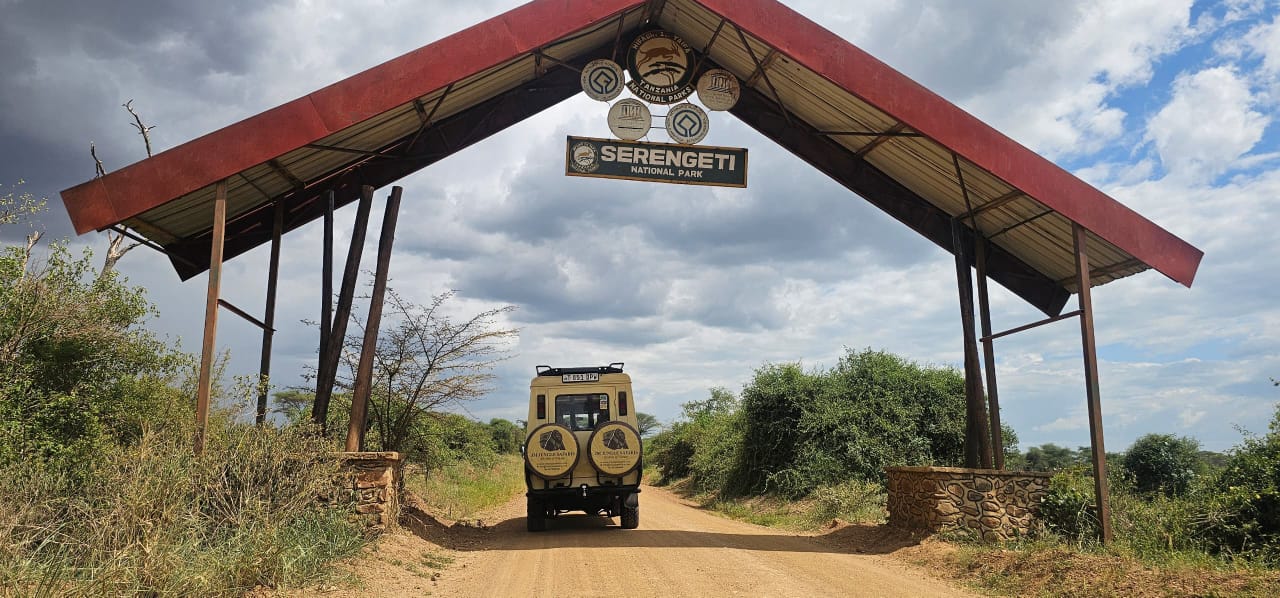
Home to the Serengeti, Ngorongoro Crater, and Mount Kilimanjaro.

Capital: Dodoma Explore Tanzania →

Ready to Experience Rwanda?

Our safari specialists coordinate private bush flights, exclusive lodges, and conservation permits to create your bespoke journey.

Start Designing Your Safari

Privacy & Cookie Preferences

We use essential cookies to keep JM Jungle Safaris secure and preserve your session preferences. With your consent, we use privacy-preserving analytical cookies to understand how visitors explore Uganda's national parks and improve our bespoke expedition design. Read our Cookie Policy and Privacy Policy.