
Lion Tracking in Queen Elizabeth National Park
Join wildlife researchers on the Kasenyi Plains to track radio-collared lions, observe their fascinating behavior, and discover the science behind protecting Uganda’s iconic predators.
The Encounter
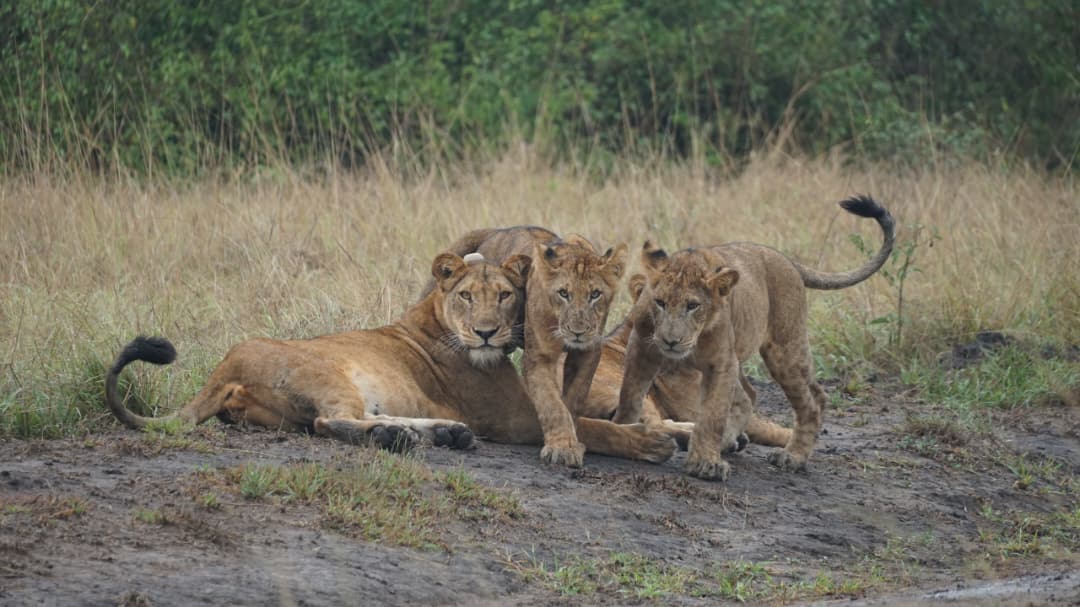
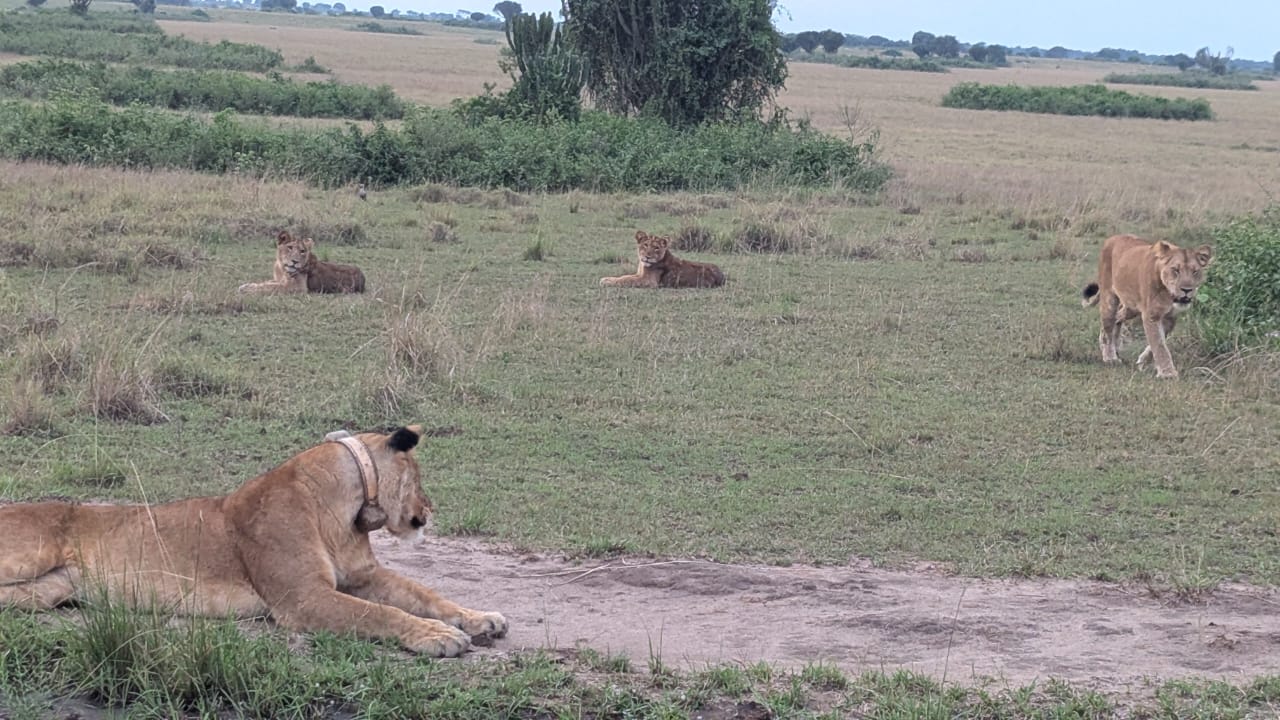
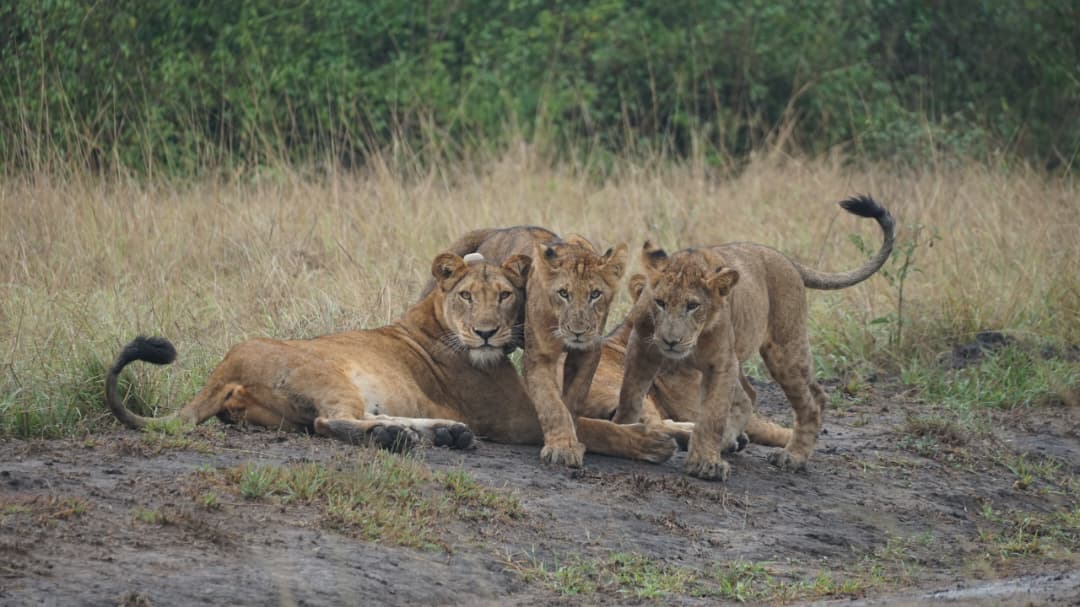
Step beyond a conventional game drive and discover the fascinating world of lion conservation through an exclusive lion-tracking experience in Queen Elizabeth National Park. Set against the sweeping grasslands of the Kasenyi Plains, this activity offers an opportunity to learn how researchers and conservation teams monitor one of Africa's most iconic predators while gaining deeper insight into the behaviour, movements and survival of lions in the wild. Accompanied by authorised researchers or trained conservation personnel, where the programme is available, you venture into the savannah in search of radio-collared lions. Using tracking equipment and information about the animals' recent movements, the team works to locate the lions while explaining how scientific research supports wildlife monitoring and conservation. As the vehicle moves across the open plains, the landscape unfolds in a mosaic of golden grasses, scattered acacia trees and distant woodland. Uganda kob graze in the open, buffaloes gather in the grasslands, and elephants may appear along the edges of the savannah. These herbivores form part of the wider ecosystem that sustains predators such as lions. The tracking process builds anticipation. Researchers may interpret radio signals, discuss the lions' known movements and explain how data helps them understand territories, pride dynamics and habitat use. The exact route and duration depend on the signals received, the lions' location and the conditions in the park. When lions are located, the encounter becomes a remarkable opportunity to observe their natural behaviour without disturbing them. You may see a pride resting in the shade, adults grooming one another, cubs interacting, or lions moving through the grass in search of suitable resting places or prey. Sometimes they remain hidden in tall vegetation, making patience and the research team's knowledge particularly valuable. Beyond the excitement of seeing lions, the experience reveals the science behind wildlife conservation. Learn why researchers monitor individual animals, how tracking contributes to understanding movement patterns and human–wildlife interactions, and why protecting prey populations and habitats is essential to maintaining healthy lion populations. The experience also highlights the challenges facing lions, including habitat pressure, conflict with communities and changes in prey availability. Through the researchers' explanations, visitors gain a greater appreciation of the work required to protect predators while supporting the long-term coexistence of wildlife and local communities. Lion tracking offers a more educational and conservation-focused perspective than a conventional game drive. Rather than simply searching for wildlife, you gain insight into how individual animals are studied and protected, leaving with a deeper understanding of Queen Elizabeth National Park's ecological richness and the importance of safeguarding its lions for future generations. Detailed encounter itinerary 1. Meet the research team Begin at the designated meeting point, where the research team introduces the tracking activity, explains lion conservation work and outlines the safety procedures. Learn how radio telemetry helps researchers monitor selected lions and study their movements. Advance booking is recommended 2. Drive into the Kasenyi Plains Travel across open grasslands in a safari vehicle while your researcher explains the landscape and the role of prey species in supporting lion populations. Uganda kob, buffaloes, elephants and other wildlife may be encountered along the way. 3. Follow the radio signals Watch the researcher use a receiver and directional antenna to detect signals from a collared lion. As the vehicle moves across the plains, the team interprets the signals and combines them with field knowledge to narrow down the animal's location. This scientific process is what makes lion tracking different from an ordinary game drive. 4. Observe the lions in the wild Once the lions are located, observe them from the vehicle under the research team's guidance. Depending on the encounter, you may see lionesses resting, cubs playing, adults grooming or members of a pride moving through the grassland. Your researcher explains their social structure and behaviour while allowing the animals to remain undisturbed. 5. Discover the conservation story Learn how tracking data contributes to understanding lion territories, population dynamics and potential threats. Researchers also work to understand human–wildlife conflict and the challenges of protecting predators beyond the park's boundaries. What travellers may encounter Radio-collared lions: An opportunity to locate selected lions being monitored by conservation researchers. Lion pride dynamics: Learn about social bonds, territorial behaviour and the roles of different pride members. Lion cubs: Depending on the pride located, you may observe young lions playing or interacting with adults. Savannah wildlife: Uganda kob, buffaloes, elephants and other species that share the plains. Research techniques: Discover how radio telemetry, field observations and movement records support wildlife monitoring. Conservation education: Understand the threats facing lions and the work being done to protect Uganda's large carnivores. Walking terrain and physical demands Terrain: Open savannah, dirt tracks, grasslands and occasional uneven sections. Physical level: Easy for most travellers. This is primarily a vehicle-based experience, not a walking safari. Accessibility: Guests generally remain in the safari vehicle during tracking and observation. Confirm boarding arrangements and any mobility requirements in advance. Ranger and research logistics Location: The main lion-tracking experience is associated with the Kasenyi Plains in the northern sector of Queen Elizabeth National Park. Personnel: The experience is arranged through the relevant park and conservation programme, with researchers and authorised park personnel. Equipment: Radio receivers and directional antennas are used to help locate collared lions. Duration: Allow approximately 2–3 hours, although the actual time depends on tracking conditions and the lions' movements. Departure: Early morning or late afternoon sessions are commonly described; confirm the current departure schedule when booking. Reservations: Arrange the experience in advance through the Uganda Wildlife Authority or the authorised programme, and reconfirm the current fee and inclusions. Wildlife viewing: Tracking improves the ability to locate selected collared lions, but a sighting is not guaranteed. The team determines the appropriate approach and viewing distance. The experience is conducted as a conservation-oriented activity rather than a guaranteed close-contact encounter. Visitors should follow the research team's instructions, avoid disturbing the lions and respect any restrictions on photography or vehicle positioning. Recommended equipment Binoculars for observing behaviour at a distance. Camera with a suitable zoom lens. Hat, sunscreen and sunglasses. Drinking water. Lightweight neutral-coloured clothing. A light jacket for cool early-morning departures. The JM Jungle Safaris experience Lion tracking offers an extraordinary opportunity to explore Queen Elizabeth National Park through the eyes of wildlife researchers. From following radio signals across the Kasenyi Plains to observing lions in their natural habitat, the experience combines the excitement of predator viewing with meaningful conservation insights. For travellers seeking more than a conventional game drive, JM Jungle Safaris can incorporate this specialist activity into a tailor-made Uganda safari, alongside savannah game drives, chimpanzee trekking in Kyambura Gorge and a wildlife-rich boat cruise on the Kazinga Channel.
Included In This Experience
Visual Field Notes
Trek Specifications
Expeditions Featuring This Experience
3 Day Primate in the Mist
Designed for wildlife enthusiasts, this expedition centers around the world's finest primate encounters, moving between the rainforests of Kibale and the volcanic ridges of Bwindi.
7-Day Rwanda Heritage & Gorilla Adventure
Embark on an unforgettable Rwandan immersion from the vibrant boulevards and memorial heritage of Kigali to the primeval canopy of Nyungwe Forest and the misty volcanic slopes of Volcanoes National Park. Experience thrilling mountain gorilla tracking, golden monkey encounters, royal palace cultural heritage, and luxury lodge hospitality.
9-Day Mount Kenya & Samburu Wilderness Safari
Traverse the finest wildlife frontiers of Kenya on this 9-day luxury safari. Begin with scenic highland views beneath Mount Kenya, journey north to the rugged wilderness of Samburu to encounter the rare Special Five, and culminate on the sweeping golden plains of the Masai Mara for world-class big cat tracking and safari game drives.
The Pearl Signature Expedition
Spanning 10 magnificent days, this signature journey combines private bush flights, habituated mountain gorilla encounters in Bwindi, chimpanzee habituation in Kibale, and private boat cruises along the Kazinga Channel.
14 DAYS magic of UGANDA Safari
Embark on a spectacular 14-day journey through Uganda, the Pearl of Africa, exploring its diverse landscapes, rich cultures and extraordinary wildlife. From the shores of Lake Victoria and the powerful Nile to the savannahs of Murchison Falls and Queen Elizabeth National Parks, continue into the ancient forests of Kibale and Bwindi for unforgettable chimpanzee and gorilla encounters. Cruise the Kazinga Channel, discover crater lakes and mountain scenery, meet local communities, and experience Uganda's remarkable wilderness at an unhurried pace—creating a safari filled with adventure, connection and lasting memories.